Asexual reproduction: New plants can grow by the separation of parts of the original plant. When fragmentation, or cell division, takes place, an offspring is created by the breakup of a single part of the plant. By planting parts of the tuber of a potato, the plant can create new organisms with the same genetic makeup (information), this could also be called cloning. When weeds are broken apart, they can regrow from each fragmented underground stem. With these structures, many clones can be formed from one original parent. Bulbs is also examples of asexual reproduction. Sexual Reproduction: In sexual reproduction, a new offspring is produced by the combining of material from two parents. In plants, as in animals, a sperm moves towards an egg. Fertilization occurs when the egg and sperm nuclei (the central part of each cell) combine to start the growth of the offspring. By repeated cell division, the fertilized egg grows from a single cell into a many-celled embryo (a tiny new plant that develops into a seed). All living things that reproduce sexually take some features from each parent. The next generation of flowers will have something in common with the parent plant as they inherit some of their features. | 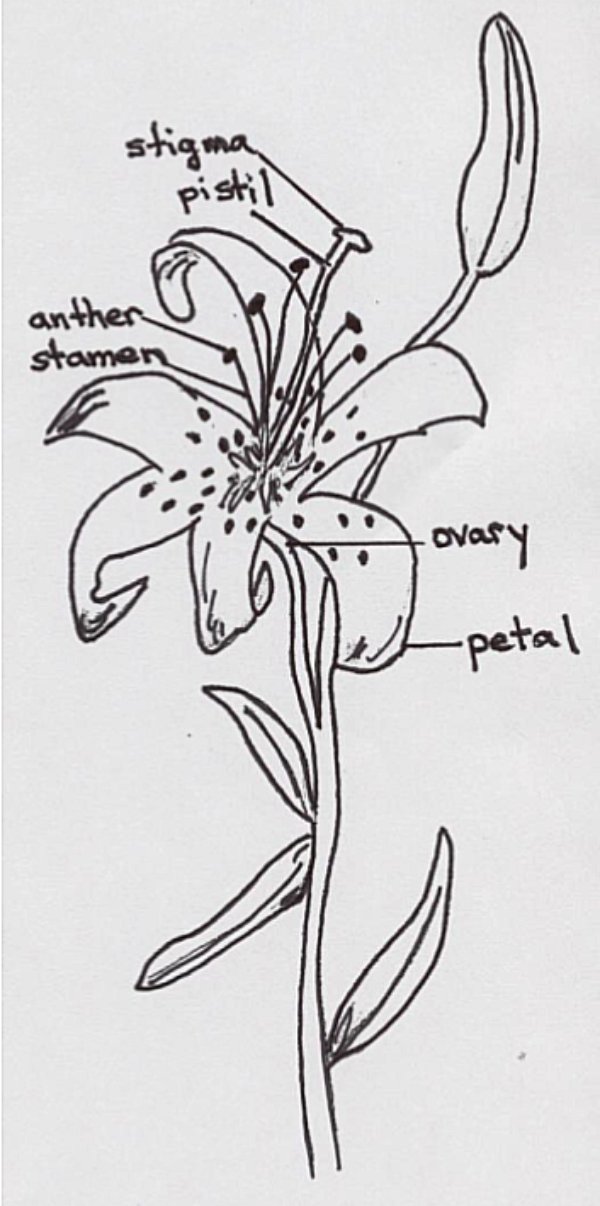  |
Make a Free Website with Yola.
